

NON-SURGICAL FACELIFT
The Non-Invasive FOTONA 4D Laser Facelift
A comprehensive, non-surgical facial rejuvenation treatment that targets the skin from the inside out using both Er:YAG and Nd:YAG laser wavelengths. By treating both the exterior skin and the inside of the mouth, Fotona4D stimulates collagen production at multiple tissue depths for natural-looking lifting, tightening, and rejuvenation—all with little to no downtime.
Treats:
● Skin laxity
● Fine lines & wrinkles
● Volume loss
● Nasolabial folds
● Jowls
● Uneven skin tone & texture
● Sun damage
● Overall facial rejuvenation
3-4 sessions are recommended to be completed anywhere between 4 to 6 weeks apart. Following the initial visits maintenance is recommended 1 to 2 times a year to maintain your results and keep your skin looking refreshed!
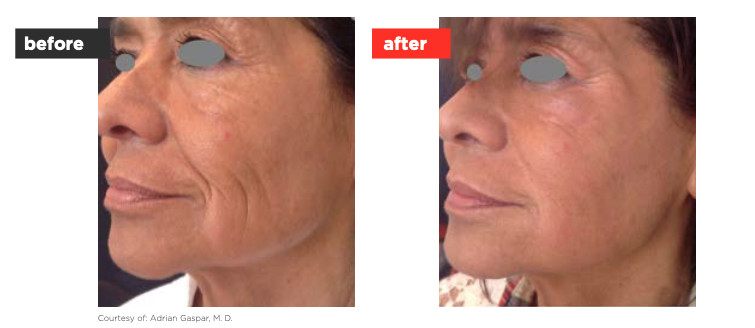
HOW DOES A NON-SURGICAL FACELIFT WORK?
A non-surgical face lift using the Fotona 4D laser works by using a dual-wavelength laser system (combining 1064nm Nd:YAG and 2940nm Er:YAG lasers) to deliver controlled thermal energy into multiple layers of the skin. Instead of cutting or pulling tissue like a surgical facelift, it stimulates your body's natural collagen and elastin production, leading to gradual tightening, firming, and tissue remodeling.
HOW DO I PREPARE FOR A NON-SURGICAL FACELIFT?
Preparing for a non-surgical laser facelift using a Fotona platform (such as Fotona 4D or 5D) involves a few important steps to protect your skin, optimize collagen stimulation, and reduce the risk of side effects.
2 to 4 Weeks Before Treatment
Avoid sun exposure: Stay out of direct, intense sunlight and tanning beds. Sunburned or recently tanned skin cannot safely be treated.
Pause harsh topicals: Stop using retinoids (Retin-A, retinol), chemical exfoliants (glycolic, salicylic, or lactic acids), and active anti-aging or acne seruns 5 to 14 days before your appointment.
Discontinue certain medications or supplements: Avoid blood-thinners, non-steroidal anti-inflammatory drugs (NSAIDs like ibuprofen or aspirin), and certain herbal supplements for 5 to 7 days prior (always clear changes with your prescribing doctor).
Disclose medical history: Inform your provider if you have a history of cold sores (herpes simplex) so they can prescribe antiviral prophylaxis, or if you have recently taken oral isotretinoin (Accutane).
72 Hours to Day Before Treatment
Hydrate heavily: Increase your water intake significantly in the days leading up to your session to help your skin cells and collagen respond to the laser energy.
Skip cosmetic procedures: Avoid chemical peels, microneedling, waxing, threading, or depilatory creams on the face for at least 1 to 2 weeks prior.
Day of the Treatment
Arrive with clean skin: Wash your face thoroughly and arrive completely free of makeup, lotions, sunscreens, or heavy skin care products.
Grooming: If you have facial hair (such as a beard), you may be asked to shave beforehand depending on the treatment zones.
Oral preparation: Some protocols suggest taking a mild pain reliever (like Tylenol/acetaminophen) or an antihistamine beforehand if recommended by your specific provider.
Intraoral prep: If your Fotona 4D/5D protocol includes the SmoothLiftin step (which treats the inside of the mouth to target the jawline and perioral tissues), brush your teeth thoroughly before arriving.
FAQ
IS A NON-SURGICAL FACELIFT RIGHT FOR ME?
A non-surgical Fotona 4D laser facelift is right for you if you have mild-to-moderate skin laxity, early signs of aging, fine lines, or uneven texture, and prefer a gradual, non-invasive enhancement.
It is not right for you if you have heavy, advanced facial sagging or deep structural muscle/tissue descent that requires a traditional surgical facelift
HOW DO I TAKE CARE OF MY SKIN AFTER A NON-SURGICAL FACELIFT?
Taking care of your skin after a non-surgical Fotona laser facelift (such as Fotona 4D) involves gentle cleansing, strict sun protection, and avoiding active or abrasive products while your skin heals.
Immediate Post-Treatment Care (First 24 to 48 Hours)
Manage Redness and Warmth: Your skin will feel warm like a mild sunburn, and mild redness or swelling is normal. Use cold compresses or ice packs wrapped in a cloth to comfort the skin and reduce heat.
Sleep Upright: Sleep with your head elevated on an extra pillow or in a semi-upright position on the first night to help minimize morning swelling, especially around the eyes.
Hydration: Drink plenty of water to help your body and skin recover from the inside out.
Dietary Restrictions: Avoid excess salt (which can worsen swelling) as well as spicy, acidic, or very hot foods/drinks for the first 48 hours—especially if intraoral (inside the mouth) treatment was performed.
Hold Off on Makeup: Wait at least 24 to 72 hours (or as directed by your provider) before applying makeup to let the skin breathe and close micro-channels.
Skincare Routine (Days 1 to 7)
Gentle Cleansing: You can wash your face gently the evening of or the day after your treatment using a mild, non-exfoliating cleanser and lukewarm water. Do not scrub, rub, or use washcloths.
Soothing Moisturizers: Use the healing ointments, barrier creams, or calming serums recommended or provided by your clinician (such as specific peptide or regenerative serums).
Avoid Harsh Actives: Completely skip retinoids (tretinoin), AHAs/BHAs (glycolic, salicylic, lactic acids), Vitamin C serums, acne treatments, and physical scrubs for at least 5 to 7 days, or until your skin feels completely normal.
Do Not Pick or Peel: If your skin develops a dry, bronzed, or sandpaper-like texture or starts flaking around days 3 to 5, let it shed naturally. Never pick, scratch, or peel the skin.
Sun Protection & Lifestyle
Strict SPF Rules: Apply a broad-spectrum SPF 30 or higher every single day, even if it is cloudy. Wear a wide-brimmed hat when outdoors. UV protection is critical because new skin is highly vulnerable to hyperpigmentation.
Avoid Heat and Sweat: Skip hot showers, steam rooms, saunas, hot tubs, and intense workouts or hot yoga for the first 24 to 72 hours to prevent extra inflammation or prolonged swelling.